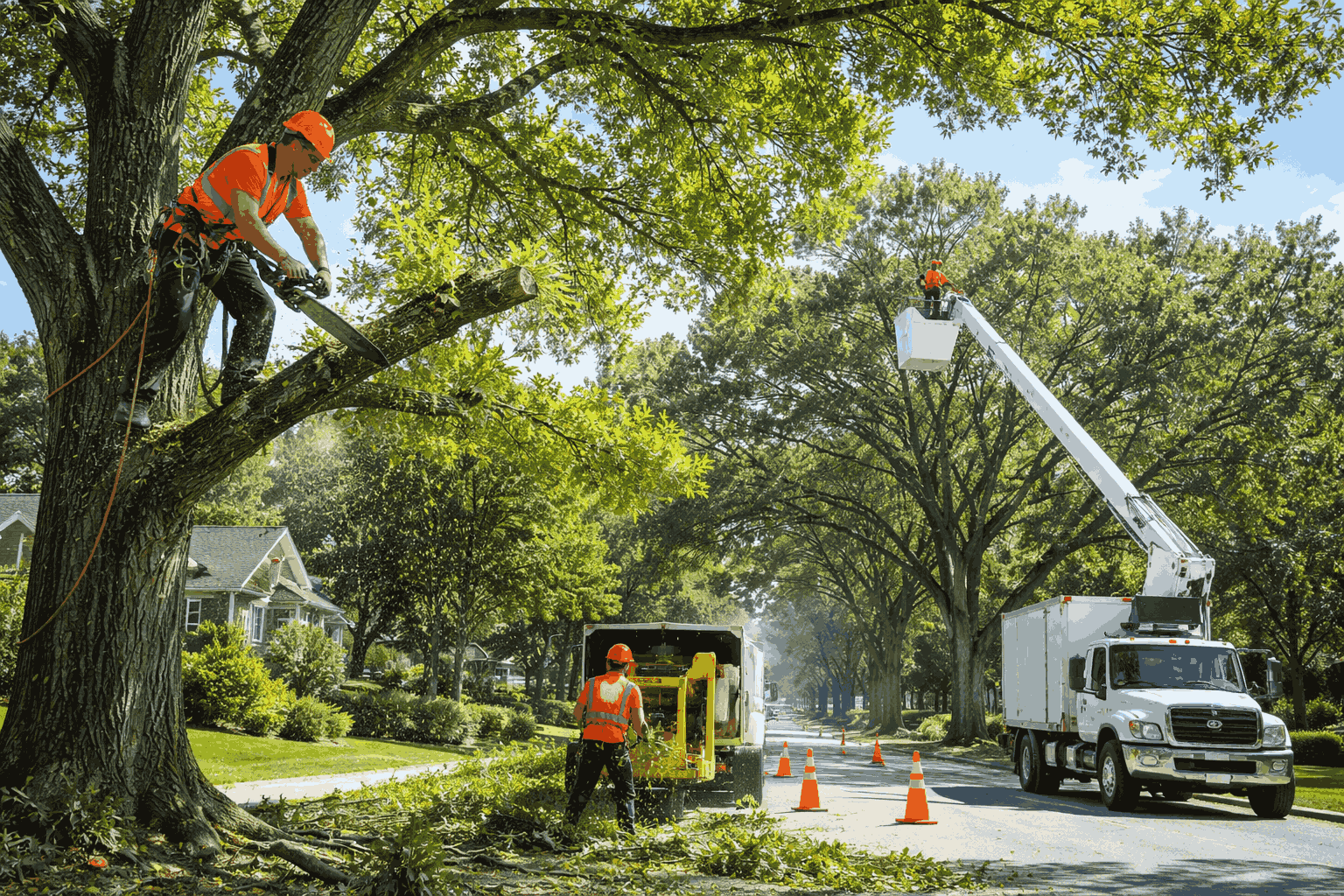
Learn about the optimal seasons for tree trimming and why timing matters for the health of your trees. Proper pruning at the right time promotes healthy growth.
Why Timing Matters
Proper timing allows trees to heal faster, reduces the risk of pests and disease, and promotes strong, healthy growth. Seasonal trimming also helps prevent broken branches during storms and improves overall tree structure.
Best Seasons for Tree Trimming
Late Winter to Early Spring
This is the ideal time for most trees. Trees are dormant, making it easier to see branch structure and remove dead or weak limbs. Trimming during dormancy encourages healthy spring growth.
Summer Trimming
Light trimming in summer can help manage growth, remove damaged branches, and improve safety. However, heavy pruning should be avoided during extreme heat.
Fall Trimming
Fall is generally not recommended for major pruning. Fresh cuts heal more slowly and can attract insects or disease as trees prepare for dormancy.
Exceptions for Safety
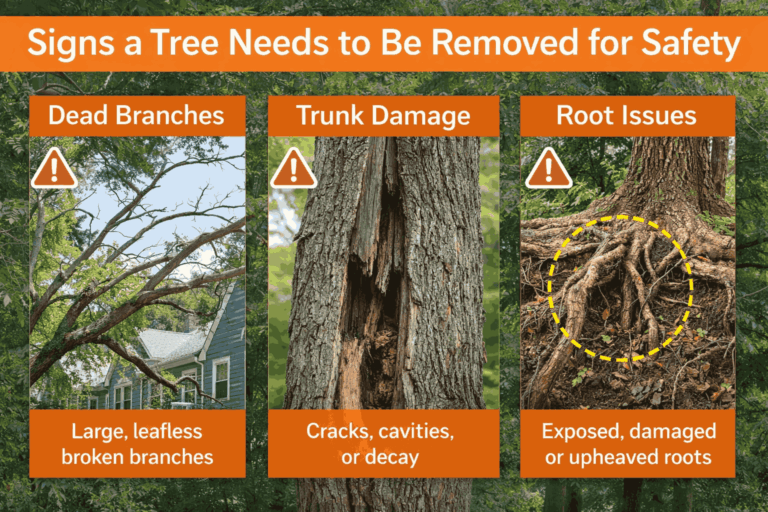
Dead, damaged, or hazardous branches should be removed immediately—no matter the season. Safety always comes first when branches threaten people, homes, or power lines.
Tree Type Matters
Different tree species have different needs. Flowering trees, fruit trees, and evergreens may require specific timing for best results. A professional can help determine the right schedule.
When to Call a Professional
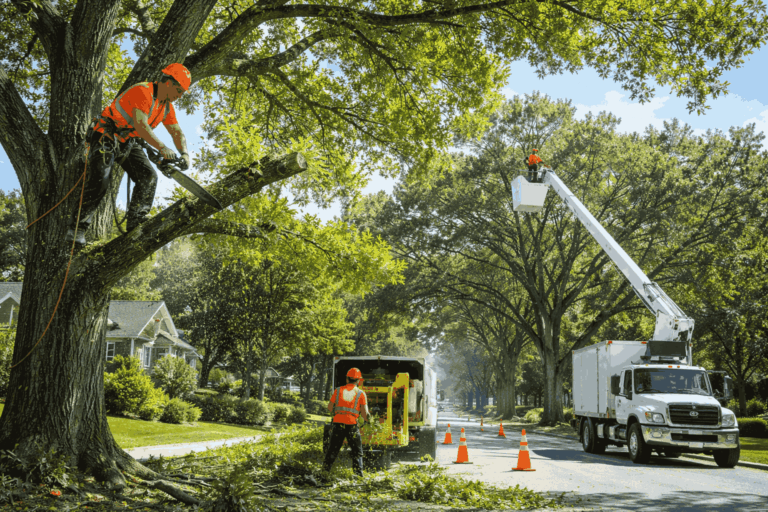
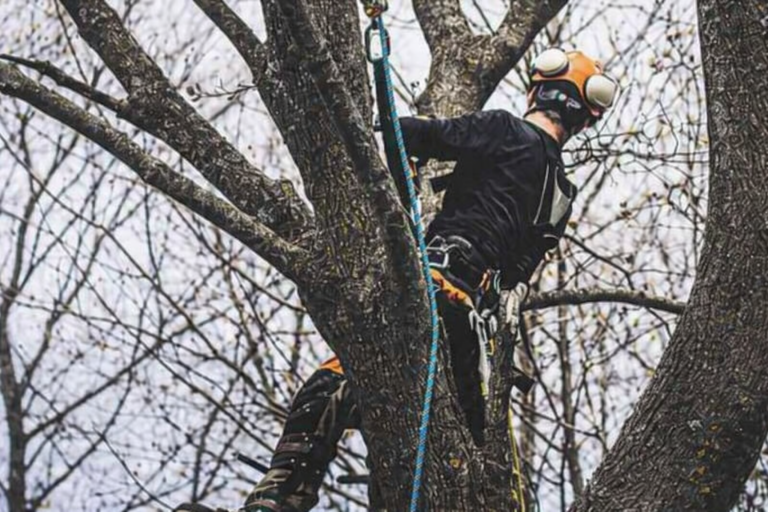
Tree trimming often involves working at heights and near structures or utilities. A licensed tree service professional ensures proper pruning techniques and safe results.
Final Thoughts
The best time to trim your trees depends on the season, tree type, and overall health. With proper timing and professional care, trimming keeps your trees strong, safe, and beautiful year-round.