Oak trees are among the most beloved and ecologically valuable trees in Central Valley, California, and knowing how to care for them properly can mean the difference between a thriving, long-lived specimen and one that becomes a hazard or liability. This oak tree care Central Valley California guide is designed to give homeowners in Stockton, Lodi, Modesto, and beyond the practical knowledge they need to protect their trees through every season. Whether you have a native Valley Oak, Blue Oak, or Interior Live Oak on your property, the guidance here will help you make informed decisions year-round.
Understanding the Oak Trees Native to Central Valley, California
Central Valley is home to several oak species that have adapted over thousands of years to the region’s hot, dry summers and mild, wet winters. The Valley Oak (Quercus lobata) is the most iconic, capable of living for centuries and reaching massive canopy spreads. Blue Oaks (Quercus douglasii) are smaller and incredibly drought-tolerant, making them common on hillside properties across the region. Interior Live Oaks (Quercus wislizeni) retain their leaves year-round and are frequently found in residential landscapes throughout Stockton and Tracy.
Each species has its own growth habits, water requirements, and disease vulnerabilities. A care approach that works well for a Valley Oak may not be appropriate for a Live Oak, which is why working with an experienced arborist who knows the local landscape is so important. Homeowners who treat all oaks the same often unintentionally create conditions that weaken their trees over time.
Seasonal Oak Tree Care Tips for the Central Valley Climate
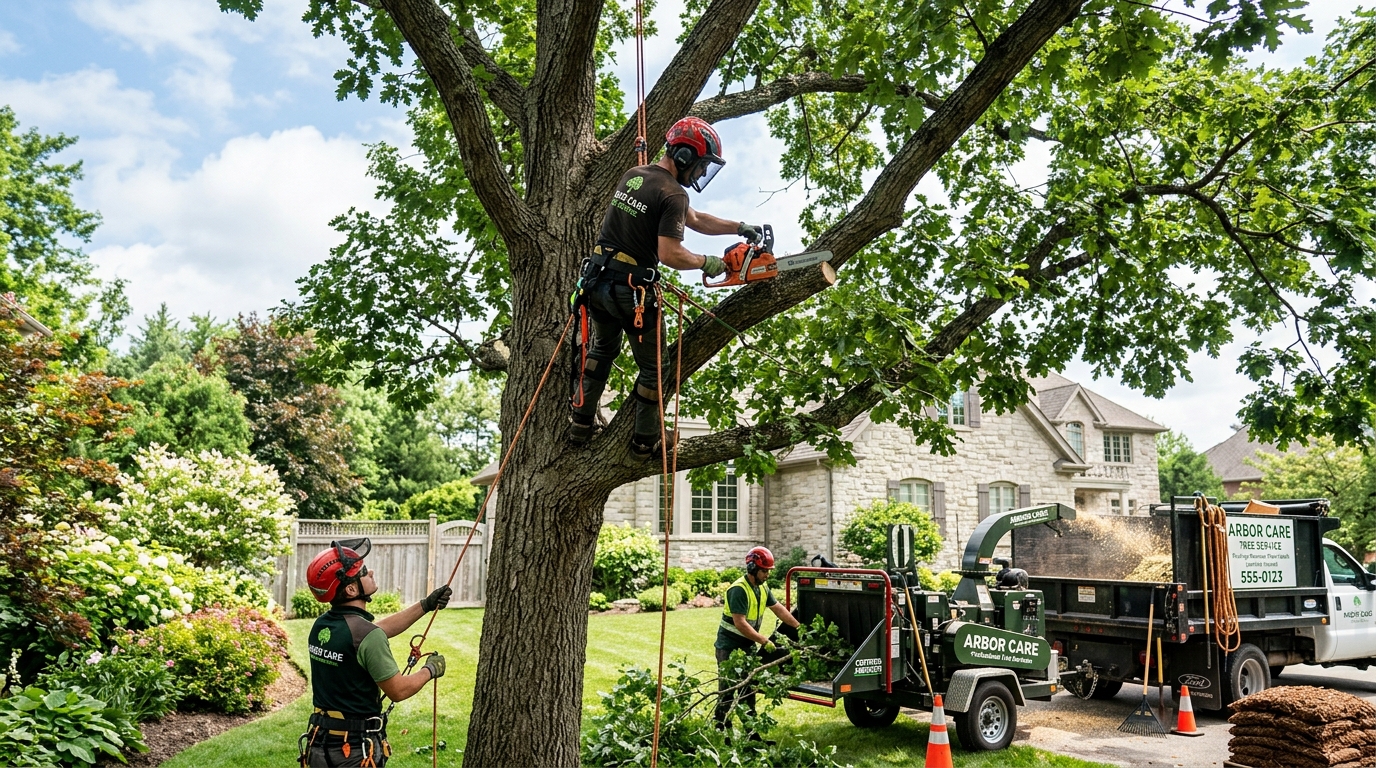
The Mediterranean-style climate of the Central Valley creates a distinct rhythm for oak tree care. During late fall and early winter, when oaks are dormant, this is the ideal window for structural pruning. Removing dead, crossing, or weakly attached branches during dormancy reduces the risk of disease transmission and allows wounds to begin closing before the spring growth surge. Summer pruning should be avoided whenever possible, particularly for Valley Oaks, because fresh cuts can attract the beetle vectors that spread Sudden Oak Death.
Spring brings rapid growth, and it is the right time to assess whether young trees need corrective pruning to establish a strong central leader. In the intense summer heat experienced across Manteca, Turlock, and Fresno, deep but infrequent watering helps oaks develop deep root systems that improve drought resilience. Avoid frequent shallow watering near the trunk, as this promotes shallow roots and creates conditions favorable to fungal root diseases like Armillaria, which is a real concern in our region.
Fall is the season to clean up leaf litter around oak bases if any disease has been observed during the year, and to schedule a professional inspection before winter storms bring the risk of limb failures. A consistent annual care routine dramatically extends the health and lifespan of your trees.
Oak Tree Pruning Standards and Why They Matter
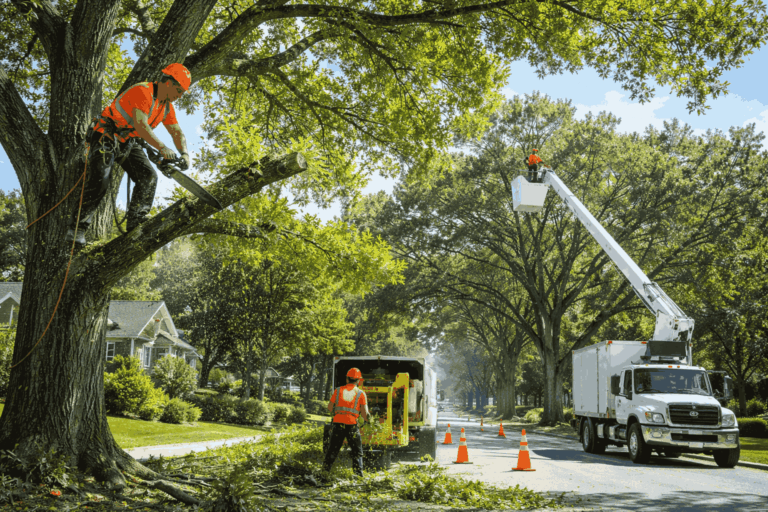
Not all pruning is good pruning. One of the most damaging practices seen throughout the Central Valley is topping, where large portions of the canopy are cut back indiscriminately. Topping stresses the tree, creates large open wounds susceptible to decay, and produces weakly attached regrowth that is far more likely to fail in wind events. Proper oak tree trimming in Stockton CA and throughout the region should always follow ANSI A300 pruning standards, which are the industry-recognized guidelines developed specifically to protect tree health and structural integrity.
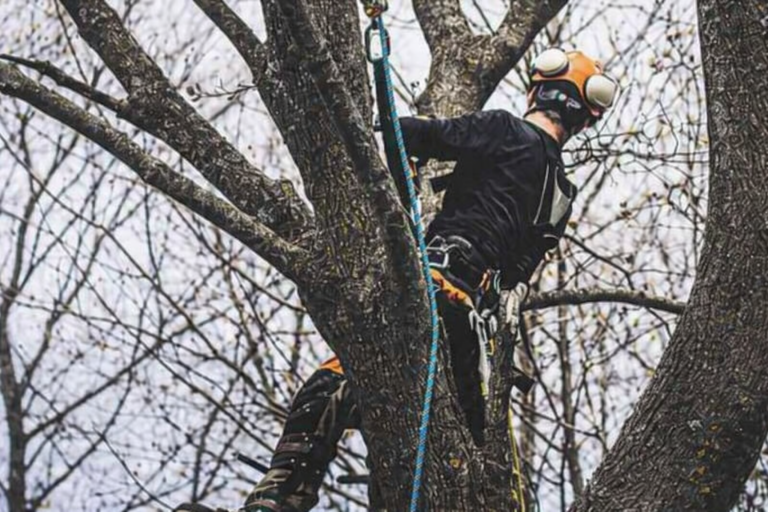
At Jordan’s Tree Service Inc, every pruning job performed by our team adheres to ANSI A300 standards. Ignacio Gutierrez, who brings more than 20 years of hands-on arboriculture experience to every project, leads our field crews with a philosophy that prioritizes long-term tree health over quick cosmetic fixes. Our California contractor license number is 1076959, and we are fully insured, so homeowners in Lodi, Modesto, and Stockton can trust that every cut is made with precision, accountability, and the tree’s future in mind.
Recognizing Signs of Oak Tree Disease and Stress
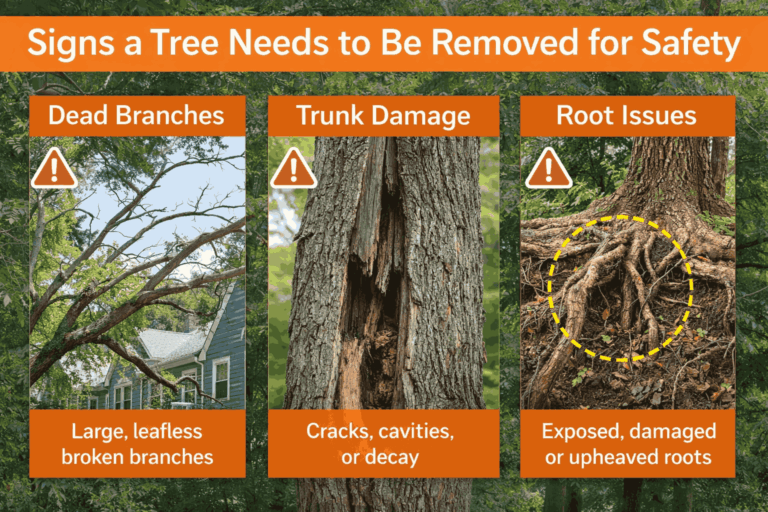
Early detection is the single most effective way to save an oak tree that is under stress or showing signs of disease. Sudden Oak Death, caused by the water mold Phytophthora ramorum, produces bleeding cankers on the bark and rapid crown dieback. Bark beetle infestations often follow trees already weakened by drought or root disturbance and can be identified by small entry holes and sawdust-like frass around the base. Oak Root Fungus, or Armillaria, causes slow decline from the roots upward and is indicated by yellowing foliage, dieback, and white fungal mats beneath the bark near the soil line.
Root zone disturbance is another serious stressor that homeowners often overlook. Compacting soil with vehicles, adding fill dirt over the root zone, or cutting major roots during construction can cause an oak to decline over several years before the damage becomes visually apparent. If you notice any thinning canopy, premature leaf drop, or unusual bark discoloration on your oak trees, schedule a professional assessment promptly. Catching these problems early saves money and, in many cases, saves the tree.
Working with a Local Oak Tree Care Expert You Can Trust
Choosing the right tree service company is just as important as choosing the right care approach. Jordan’s Tree Service Inc, co-owned by Claudia Jordan and Ignacio Gutierrez, has been serving Central Valley homeowners with a commitment to quality, transparency, and genuine expertise. Claudia brings more than 15 years of experience managing tree care projects across the region, and together with Ignacio’s two decades in the field, the team delivers a depth of local knowledge that national franchise companies simply cannot match. Senior discounts are available, and our 24/7 emergency tree service means that storm-related oak hazards never have to wait until morning.
Proper oak tree care Central Valley California homeowners can rely on requires understanding local soils, local pests, local climate patterns, and the specific biology of our native and landscape oaks. Every tree on your property is an investment worth protecting, and with the right professional partner, your oaks can thrive for generations. Reach out to our team today to schedule a consultation and take the first step toward a healthier, safer landscape.
Learn More About Our Professional Tree Trimming and Pruning Services → https://jordanstreeservice.net/services/trimming-pruning/