Learn how to identify common tree diseases and pests in the Central Valley area. Early detection is key to saving your valuable trees.
Understanding Tree Health: A Homeowner’s Guide
Healthy trees are a valuable asset to any home, providing shade, beauty, and environmental benefits. But trees don’t always show obvious signs when something is wrong. Understanding basic tree health can help homeowners spot problems early and take action before serious damage occurs.
Why Tree Health Matters
Unhealthy trees can become weak, unstable, and unsafe. Diseases, pests, and poor maintenance can cause branches to fall, roots to fail, or trees to die altogether—putting your property and safety at risk.
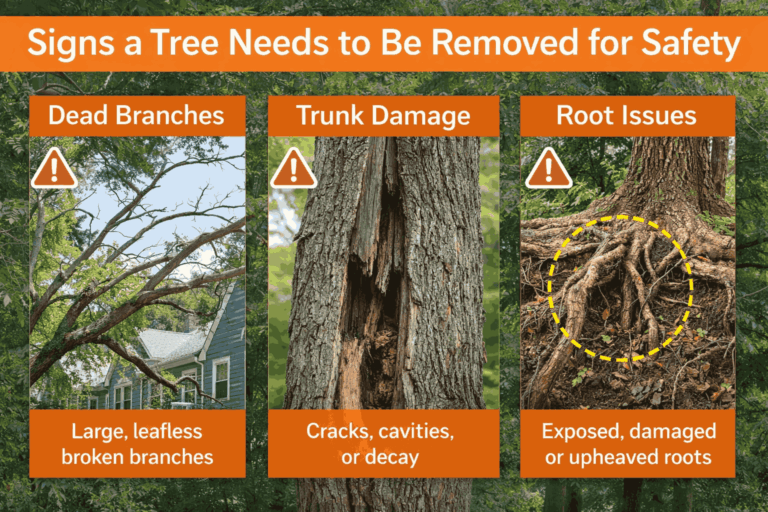
Common Signs of an Unhealthy Tree
Keep an eye out for these warning signs:
- Dead or falling branches
- Cracks or splits in the trunk
- Discolored, spotted, or wilting leaves
- Fungal growth or mushrooms near the base
- Excessive insect activity or holes in the bark
Early detection can make a big difference in saving a tree.
Common Tree Diseases & Pests
Homeowners often face issues such as:
- Root rot caused by poor drainage
- Fungal diseases that weaken branches and trunks
- Boring insects that damage bark and internal structure
- Leaf diseases that affect photosynthesis and growth
These problems can spread quickly if not treated in time.
How Regular Inspections Help
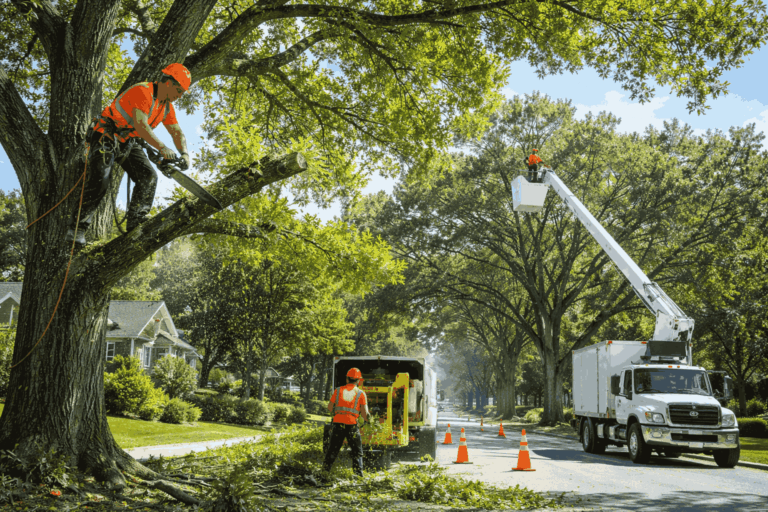
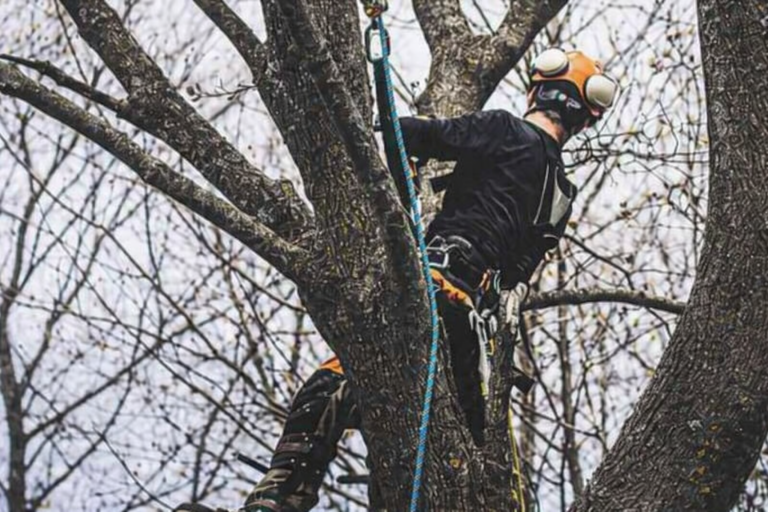
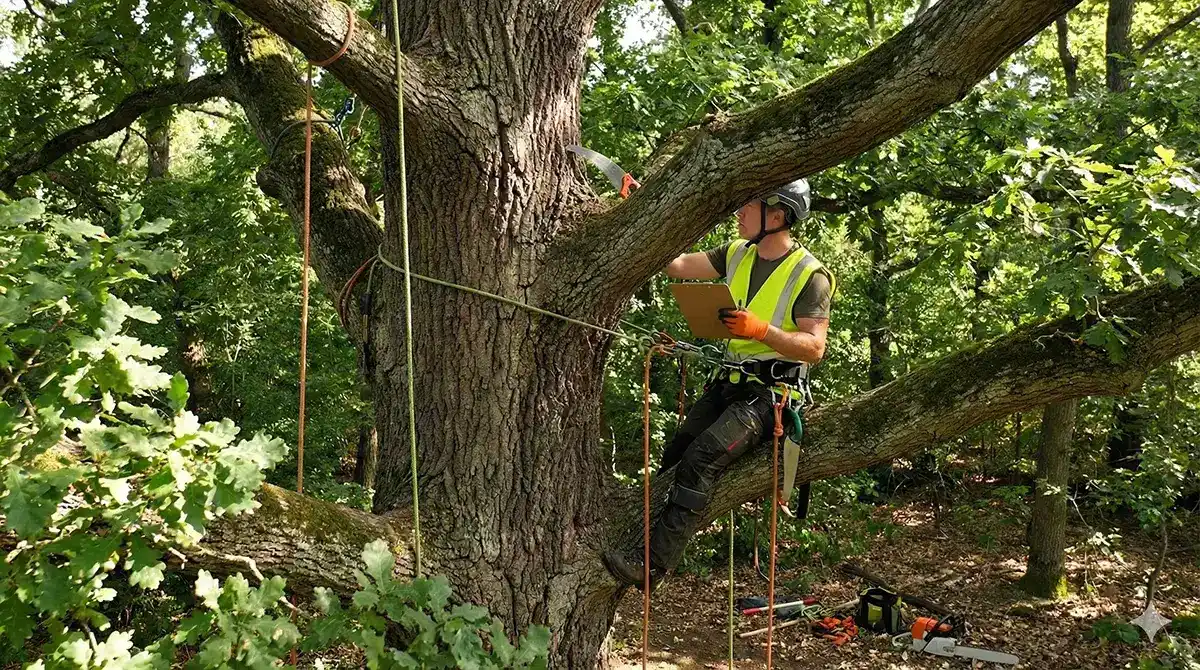
Routine tree inspections help identify problems before they become severe. A professional arborist can assess tree health, recommend treatments, and ensure proper pruning to support long-term growth.
When to Call a Professional
If you notice signs of disease, pests, or structural weakness, it’s best to consult a licensed tree care professional. DIY treatments often cause more harm than good, especially when dealing with large or mature trees.
Protect Your Trees & Property
Healthy trees increase property value and enhance curb appeal. With regular care, proper pruning, and timely professional help, you can keep your trees strong, safe, and thriving for years to come.
Final Thoughts
Understanding tree health is the first step toward responsible homeownership. By staying informed and acting early, you protect not only your trees—but also your home and family.