5 Signs Your Tree Needs to Be Removed
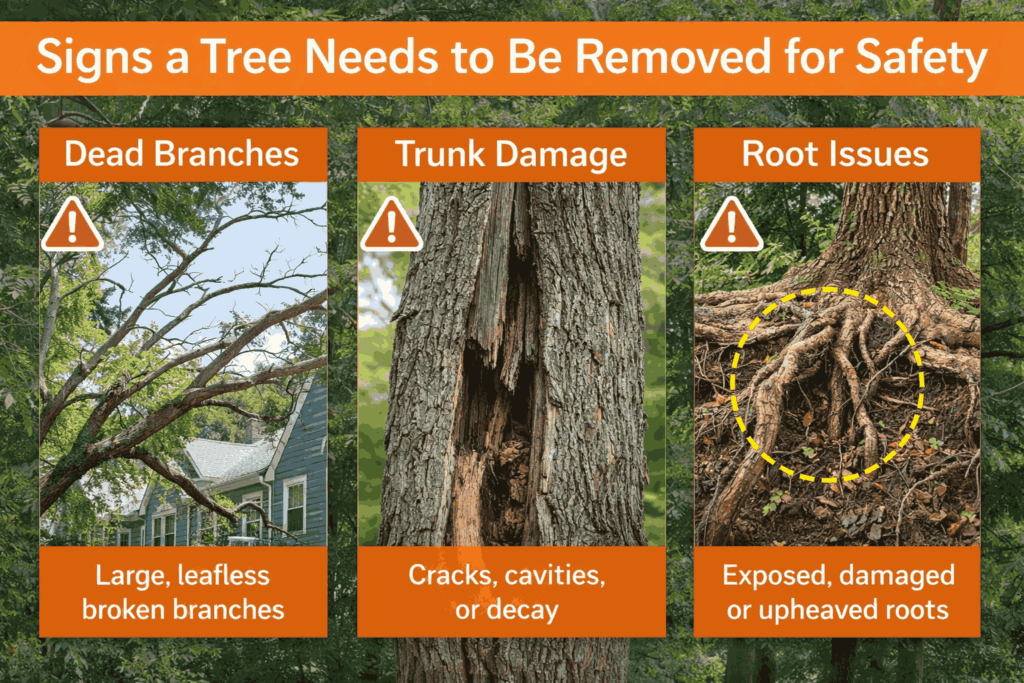
Discover the warning signs that indicate a tree may need to be removed for safety. Dead branches, trunk damage, and root issues are key indicators. 1. Large Dead or Broken Branches Dead or hanging branches are one of the most common danger signs. These branches can fall without warning, especially during wind or storms, posing a serious risk to people, vehicles, and buildings. 2. Trunk Damage or Decay Cracks, cavities, peeling bark, or visible decay in the trunk often indicate structural weakness. A compromised trunk can fail suddenly, making the tree unstable and unsafe. 3. Root Problems Exposed, damaged, or uplifted roots can affect a tree’s ability to stay anchored. Root issues often mean the tree is no longer stable and may fall, particularly after heavy rain or strong winds. 4. Severe Leaning A tree that suddenly begins to lean—or has an increasing lean over time—may be suffering from root damage or soil instability. This is a serious safety concern and should be inspected immediately. 5. Disease or Pest Infestation Advanced disease, fungal growth, or heavy insect infestation can weaken a tree from the inside out. When treatment is no longer effective, removal may be the safest solution. When Tree Removal Is Necessary Not every unhealthy tree needs to be removed, but when safety is at risk, professional evaluation is essential. A licensed tree service professional can assess the condition and recommend the safest course of action. Protect Your Property & Safety Removing a dangerous tree before it fails helps prevent damage to your home, power lines, and surrounding landscape. Proactive action is always safer—and often less expensive—than emergency removal. Final Thoughts Knowing when a tree needs to be removed is key to responsible property care. If you notice any of these warning signs, don’t wait—schedule a professional inspection.
When Is the Best Time to Trim Your Trees?
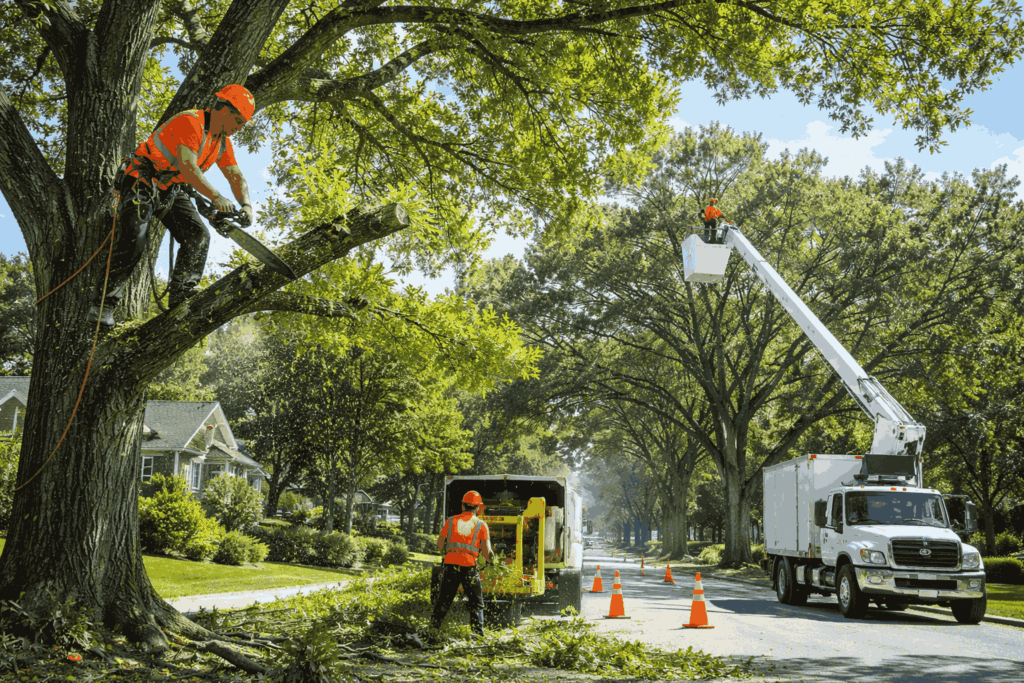
Learn about the optimal seasons for tree trimming and why timing matters for the health of your trees. Proper pruning at the right time promotes healthy growth. Why Timing Matters Proper timing allows trees to heal faster, reduces the risk of pests and disease, and promotes strong, healthy growth. Seasonal trimming also helps prevent broken branches during storms and improves overall tree structure. Best Seasons for Tree Trimming Late Winter to Early SpringThis is the ideal time for most trees. Trees are dormant, making it easier to see branch structure and remove dead or weak limbs. Trimming during dormancy encourages healthy spring growth. Summer TrimmingLight trimming in summer can help manage growth, remove damaged branches, and improve safety. However, heavy pruning should be avoided during extreme heat. Fall TrimmingFall is generally not recommended for major pruning. Fresh cuts heal more slowly and can attract insects or disease as trees prepare for dormancy. Exceptions for Safety Dead, damaged, or hazardous branches should be removed immediately—no matter the season. Safety always comes first when branches threaten people, homes, or power lines. Tree Type Matters Different tree species have different needs. Flowering trees, fruit trees, and evergreens may require specific timing for best results. A professional can help determine the right schedule. When to Call a Professional Tree trimming often involves working at heights and near structures or utilities. A licensed tree service professional ensures proper pruning techniques and safe results. Final Thoughts The best time to trim your trees depends on the season, tree type, and overall health. With proper timing and professional care, trimming keeps your trees strong, safe, and beautiful year-round.