The Benefits of Professional Stump Grinding
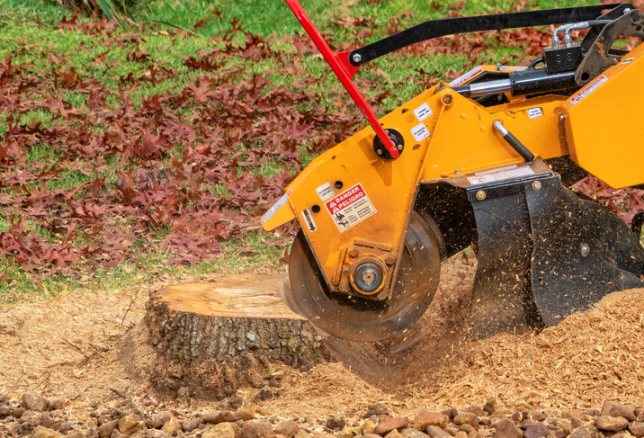
Why removing tree stumps is important for your property and how professional grinding services can help improve your landscape aesthetics and safety. Why Tree Stumps Are a Problem After a tree is removed, the remaining stump can become: A tripping hazard for family and visitors An obstacle for mowing and landscaping A breeding ground for insects and pests An eyesore that affects curb appeal Over time, decaying stumps can also attract termites and fungi. What Is Stump Grinding? Stump grinding is a process where specialized equipment grinds the stump down below ground level. Unlike digging or burning, grinding removes the stump efficiently without damaging nearby structures, plants, or underground utilities. Benefits of Hiring a Professional Professional stump grinding offers several advantages: Improved Safety – Eliminates tripping hazards and sharp edges Better Curb Appeal – Creates a clean, level landscape Prevents Pest Infestations – Removes habitat for insects and rodents Protects Nearby Plants – Controlled grinding avoids unnecessary damage Saves Time & Effort – Fast, efficient, and hassle-free Why DIY Isn’t Recommended Stump grinders are powerful machines that require training to operate safely. DIY removal can lead to injuries, property damage, or incomplete removal that allows regrowth. After the Stump Is Gone Once grinding is complete, the area can be filled with soil and reseeded or replanted. This opens the door for new landscaping projects, gardens, or lawn expansion. When to Schedule Stump Grinding Stump grinding can be done any time of year. If you’ve recently removed a tree or have old stumps on your property, scheduling professional service sooner helps prevent future problems. Final Thoughts Professional stump grinding is a smart investment in safety, appearance, and long-term property health. Removing stumps the right way keeps your yard clean, safe, and ready for whatever comes next.
When Is the Best Time to Trim Your Trees?
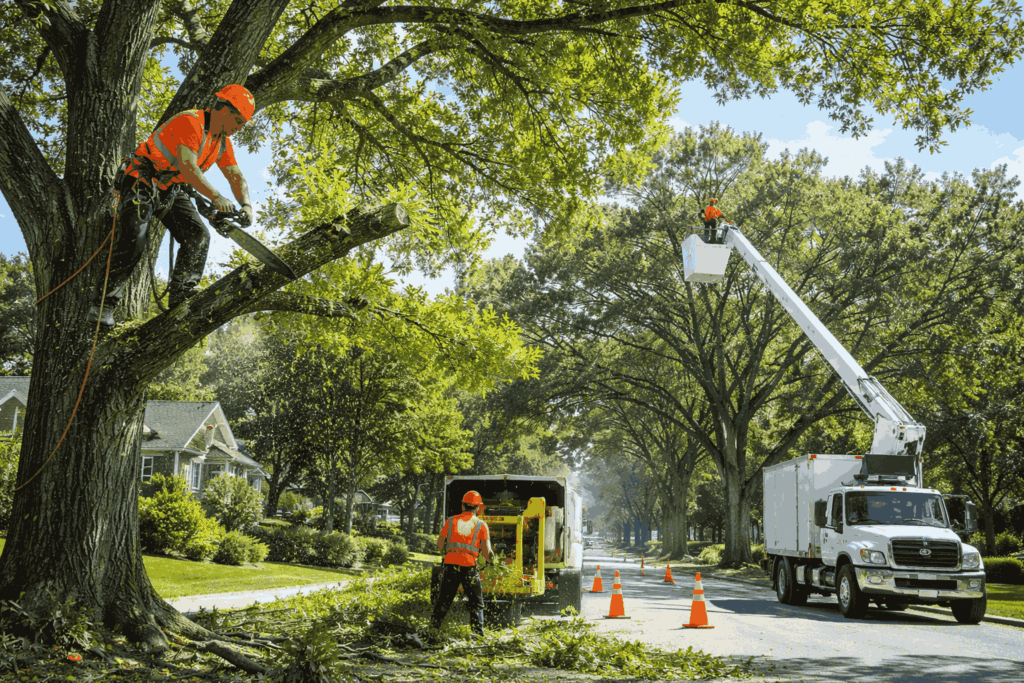
Learn about the optimal seasons for tree trimming and why timing matters for the health of your trees. Proper pruning at the right time promotes healthy growth. Why Timing Matters Proper timing allows trees to heal faster, reduces the risk of pests and disease, and promotes strong, healthy growth. Seasonal trimming also helps prevent broken branches during storms and improves overall tree structure. Best Seasons for Tree Trimming Late Winter to Early SpringThis is the ideal time for most trees. Trees are dormant, making it easier to see branch structure and remove dead or weak limbs. Trimming during dormancy encourages healthy spring growth. Summer TrimmingLight trimming in summer can help manage growth, remove damaged branches, and improve safety. However, heavy pruning should be avoided during extreme heat. Fall TrimmingFall is generally not recommended for major pruning. Fresh cuts heal more slowly and can attract insects or disease as trees prepare for dormancy. Exceptions for Safety Dead, damaged, or hazardous branches should be removed immediately—no matter the season. Safety always comes first when branches threaten people, homes, or power lines. Tree Type Matters Different tree species have different needs. Flowering trees, fruit trees, and evergreens may require specific timing for best results. A professional can help determine the right schedule. When to Call a Professional Tree trimming often involves working at heights and near structures or utilities. A licensed tree service professional ensures proper pruning techniques and safe results. Final Thoughts The best time to trim your trees depends on the season, tree type, and overall health. With proper timing and professional care, trimming keeps your trees strong, safe, and beautiful year-round.