How to Prepare Your Trees for Storm Season
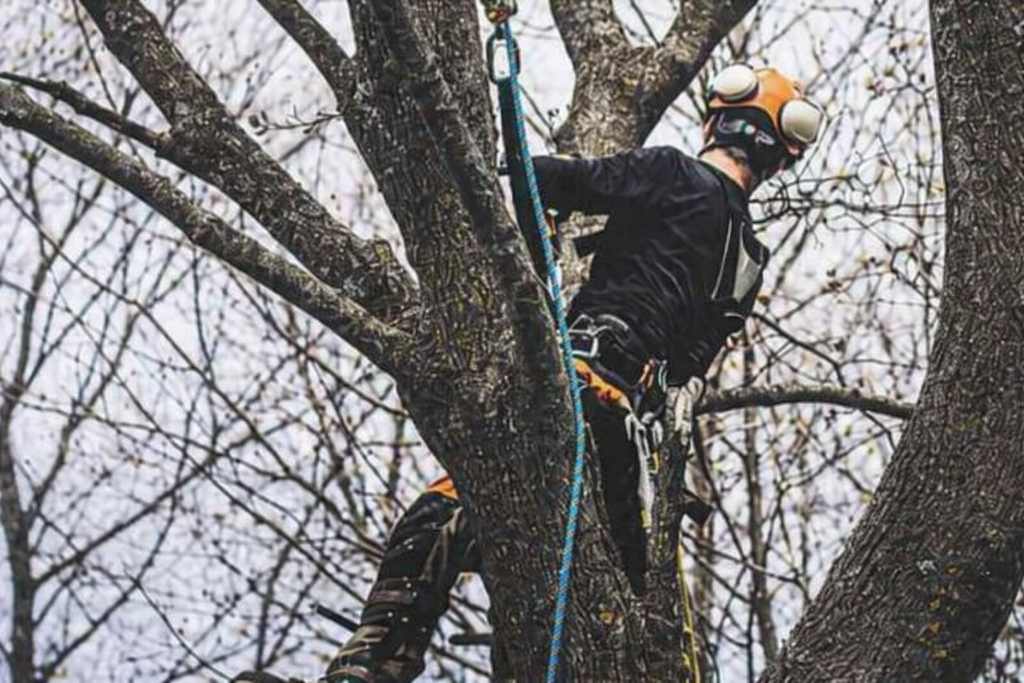
Essential tips for protecting your trees and property during Central Valley storm season. Preventive trimming can save you costly emergency repairs. Why Storm Preparation Matters Unmaintained trees are more likely to fail during storms. Weak branches, poor structure, or unhealthy roots can lead to property damage, power outages, and safety hazards. Proper preparation helps trees withstand harsh weather conditions. Inspect Your Trees Early Before storm season begins, check your trees for: Dead, cracked, or hanging branches Leaning trees or exposed roots Split trunks or weak branch attachments Signs of disease or decay Catching these issues early can prevent emergencies later. Prune Weak or Overgrown Branches Strategic pruning reduces wind resistance and removes branches that are most likely to break during storms. Proper pruning also improves tree balance and overall health. Strengthen Tree Structure Young trees benefit from structural pruning to develop strong branch spacing. Mature trees may need selective thinning to reduce weight and stress during high winds. Check Tree Health Healthy trees handle storms better. Address pest infestations, fungal diseases, and soil issues before the weather turns severe. Strong roots and healthy canopies make a big difference. When to Call a Professional Storm preparation often involves working at heights and using specialized equipment. A licensed tree service professional can safely assess risks, perform correct pruning, and recommend preventive solutions. Protect Your Home & Property Well-maintained trees are safer, stronger, and more resilient. Investing in storm preparation now can save you from costly damage and emergency tree removal later. Final Thoughts Don’t wait until a storm hits. Preparing your trees ahead of storm season protects your property, your family, and your landscape.
When Is the Best Time to Trim Your Trees?
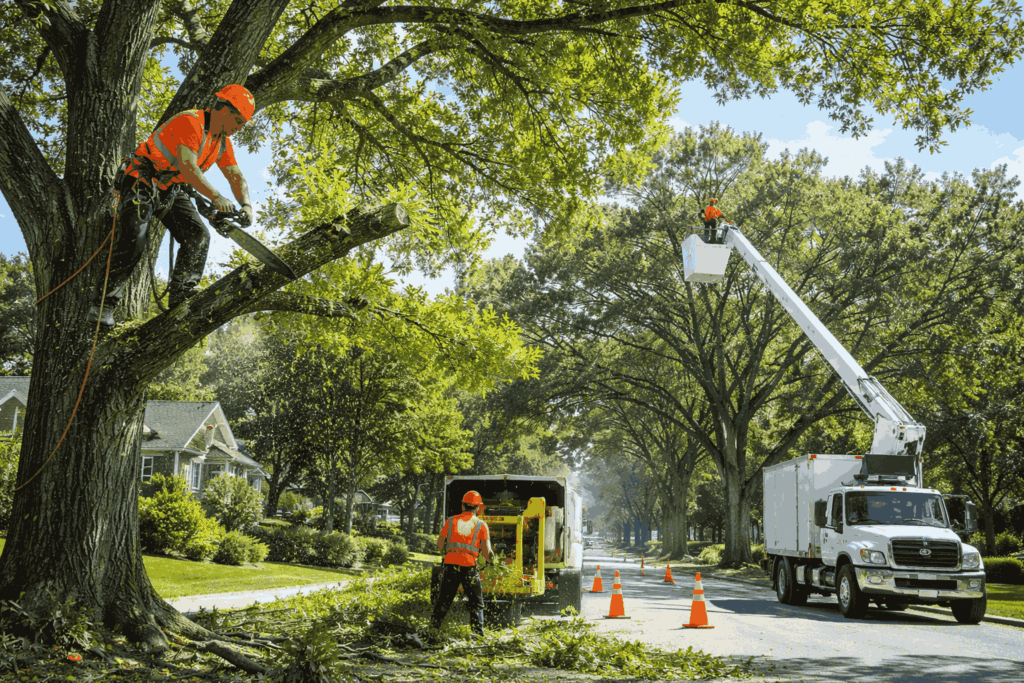
Learn about the optimal seasons for tree trimming and why timing matters for the health of your trees. Proper pruning at the right time promotes healthy growth. Why Timing Matters Proper timing allows trees to heal faster, reduces the risk of pests and disease, and promotes strong, healthy growth. Seasonal trimming also helps prevent broken branches during storms and improves overall tree structure. Best Seasons for Tree Trimming Late Winter to Early SpringThis is the ideal time for most trees. Trees are dormant, making it easier to see branch structure and remove dead or weak limbs. Trimming during dormancy encourages healthy spring growth. Summer TrimmingLight trimming in summer can help manage growth, remove damaged branches, and improve safety. However, heavy pruning should be avoided during extreme heat. Fall TrimmingFall is generally not recommended for major pruning. Fresh cuts heal more slowly and can attract insects or disease as trees prepare for dormancy. Exceptions for Safety Dead, damaged, or hazardous branches should be removed immediately—no matter the season. Safety always comes first when branches threaten people, homes, or power lines. Tree Type Matters Different tree species have different needs. Flowering trees, fruit trees, and evergreens may require specific timing for best results. A professional can help determine the right schedule. When to Call a Professional Tree trimming often involves working at heights and near structures or utilities. A licensed tree service professional ensures proper pruning techniques and safe results. Final Thoughts The best time to trim your trees depends on the season, tree type, and overall health. With proper timing and professional care, trimming keeps your trees strong, safe, and beautiful year-round.