Understanding Tree Health: A Homeowner’s Guide
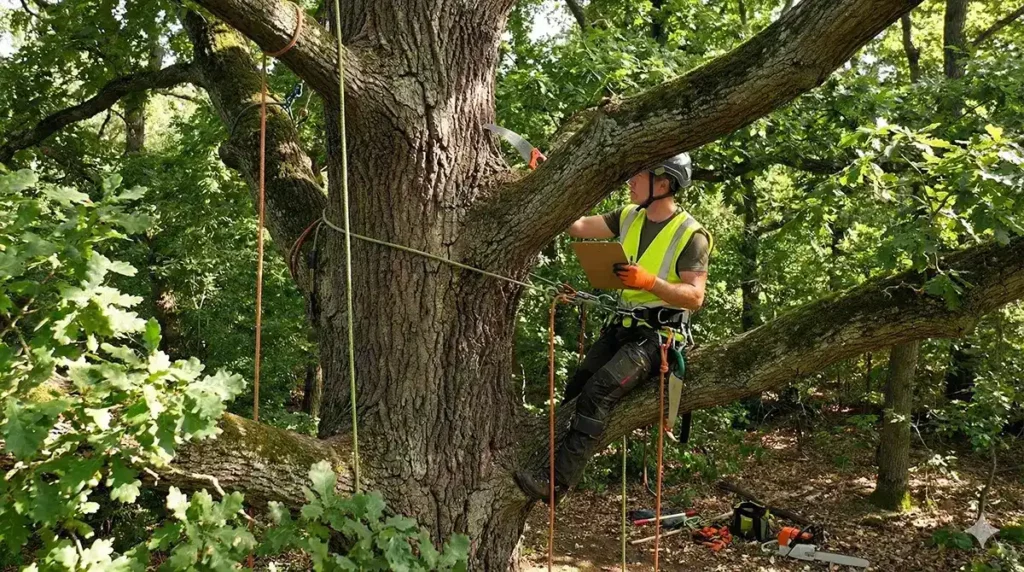
Learn how to identify common tree diseases and pests in the Central Valley area. Early detection is key to saving your valuable trees. Understanding Tree Health: A Homeowner’s Guide Healthy trees are a valuable asset to any home, providing shade, beauty, and environmental benefits. But trees don’t always show obvious signs when something is wrong. Understanding basic tree health can help homeowners spot problems early and take action before serious damage occurs. Why Tree Health Matters Unhealthy trees can become weak, unstable, and unsafe. Diseases, pests, and poor maintenance can cause branches to fall, roots to fail, or trees to die altogether—putting your property and safety at risk. Common Signs of an Unhealthy Tree Keep an eye out for these warning signs: Early detection can make a big difference in saving a tree. Common Tree Diseases & Pests Homeowners often face issues such as: These problems can spread quickly if not treated in time. How Regular Inspections Help Routine tree inspections help identify problems before they become severe. A professional arborist can assess tree health, recommend treatments, and ensure proper pruning to support long-term growth. When to Call a Professional If you notice signs of disease, pests, or structural weakness, it’s best to consult a licensed tree care professional. DIY treatments often cause more harm than good, especially when dealing with large or mature trees. Protect Your Trees & Property Healthy trees increase property value and enhance curb appeal. With regular care, proper pruning, and timely professional help, you can keep your trees strong, safe, and thriving for years to come. Final Thoughts Understanding tree health is the first step toward responsible homeownership. By staying informed and acting early, you protect not only your trees—but also your home and family.
How to Prepare Your Trees for Storm Season
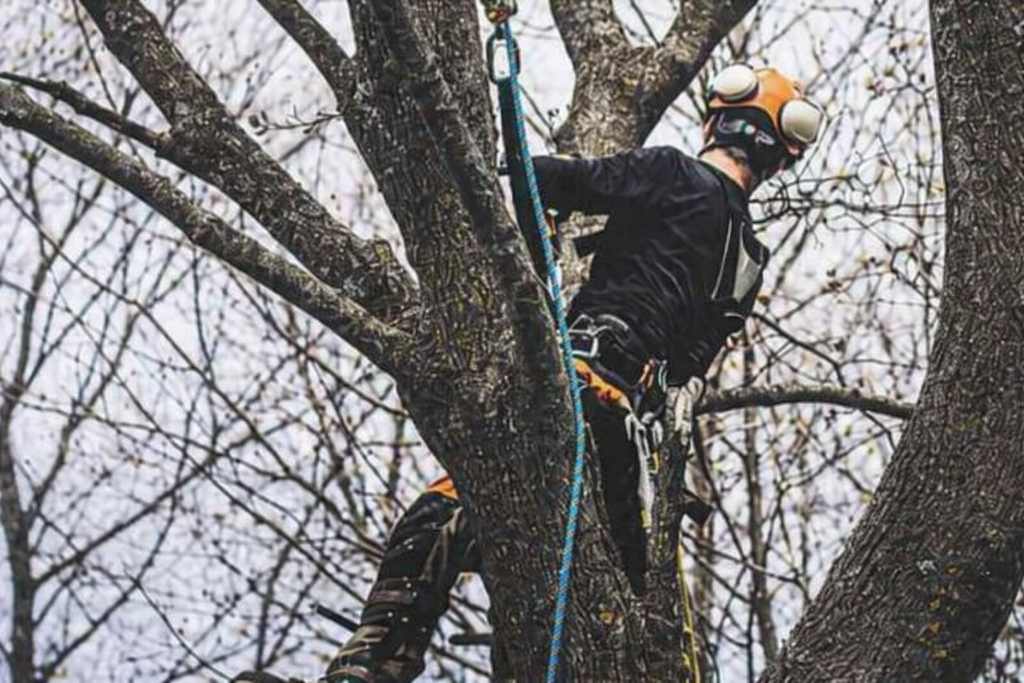
Essential tips for protecting your trees and property during Central Valley storm season. Preventive trimming can save you costly emergency repairs. Why Storm Preparation Matters Unmaintained trees are more likely to fail during storms. Weak branches, poor structure, or unhealthy roots can lead to property damage, power outages, and safety hazards. Proper preparation helps trees withstand harsh weather conditions. Inspect Your Trees Early Before storm season begins, check your trees for: Dead, cracked, or hanging branches Leaning trees or exposed roots Split trunks or weak branch attachments Signs of disease or decay Catching these issues early can prevent emergencies later. Prune Weak or Overgrown Branches Strategic pruning reduces wind resistance and removes branches that are most likely to break during storms. Proper pruning also improves tree balance and overall health. Strengthen Tree Structure Young trees benefit from structural pruning to develop strong branch spacing. Mature trees may need selective thinning to reduce weight and stress during high winds. Check Tree Health Healthy trees handle storms better. Address pest infestations, fungal diseases, and soil issues before the weather turns severe. Strong roots and healthy canopies make a big difference. When to Call a Professional Storm preparation often involves working at heights and using specialized equipment. A licensed tree service professional can safely assess risks, perform correct pruning, and recommend preventive solutions. Protect Your Home & Property Well-maintained trees are safer, stronger, and more resilient. Investing in storm preparation now can save you from costly damage and emergency tree removal later. Final Thoughts Don’t wait until a storm hits. Preparing your trees ahead of storm season protects your property, your family, and your landscape.
The Benefits of Professional Stump Grinding
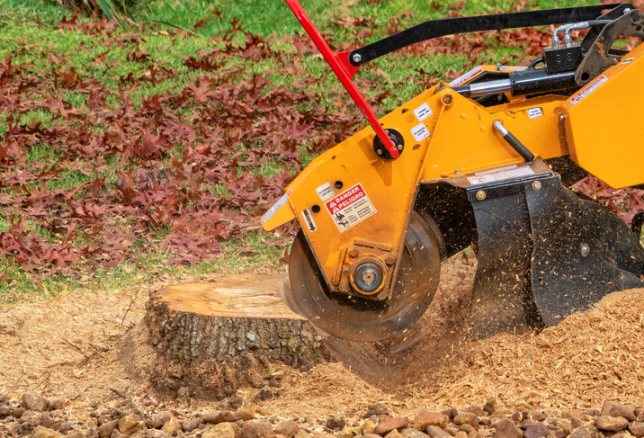
Why removing tree stumps is important for your property and how professional grinding services can help improve your landscape aesthetics and safety. Why Tree Stumps Are a Problem After a tree is removed, the remaining stump can become: A tripping hazard for family and visitors An obstacle for mowing and landscaping A breeding ground for insects and pests An eyesore that affects curb appeal Over time, decaying stumps can also attract termites and fungi. What Is Stump Grinding? Stump grinding is a process where specialized equipment grinds the stump down below ground level. Unlike digging or burning, grinding removes the stump efficiently without damaging nearby structures, plants, or underground utilities. Benefits of Hiring a Professional Professional stump grinding offers several advantages: Improved Safety – Eliminates tripping hazards and sharp edges Better Curb Appeal – Creates a clean, level landscape Prevents Pest Infestations – Removes habitat for insects and rodents Protects Nearby Plants – Controlled grinding avoids unnecessary damage Saves Time & Effort – Fast, efficient, and hassle-free Why DIY Isn’t Recommended Stump grinders are powerful machines that require training to operate safely. DIY removal can lead to injuries, property damage, or incomplete removal that allows regrowth. After the Stump Is Gone Once grinding is complete, the area can be filled with soil and reseeded or replanted. This opens the door for new landscaping projects, gardens, or lawn expansion. When to Schedule Stump Grinding Stump grinding can be done any time of year. If you’ve recently removed a tree or have old stumps on your property, scheduling professional service sooner helps prevent future problems. Final Thoughts Professional stump grinding is a smart investment in safety, appearance, and long-term property health. Removing stumps the right way keeps your yard clean, safe, and ready for whatever comes next.
When Is the Best Time to Trim Your Trees?
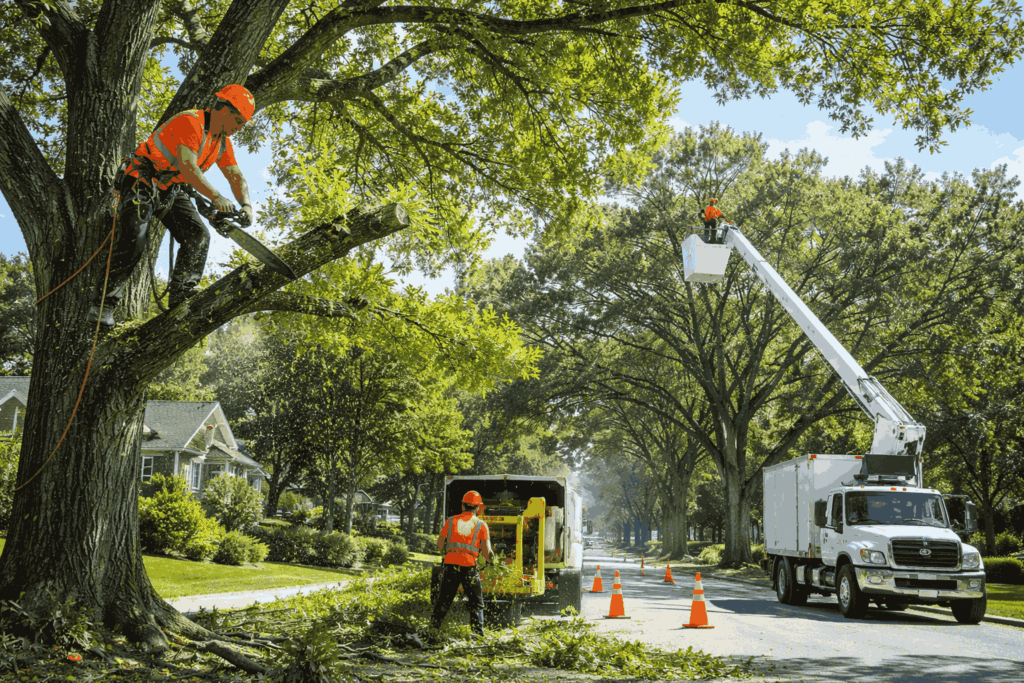
Learn about the optimal seasons for tree trimming and why timing matters for the health of your trees. Proper pruning at the right time promotes healthy growth. Why Timing Matters Proper timing allows trees to heal faster, reduces the risk of pests and disease, and promotes strong, healthy growth. Seasonal trimming also helps prevent broken branches during storms and improves overall tree structure. Best Seasons for Tree Trimming Late Winter to Early SpringThis is the ideal time for most trees. Trees are dormant, making it easier to see branch structure and remove dead or weak limbs. Trimming during dormancy encourages healthy spring growth. Summer TrimmingLight trimming in summer can help manage growth, remove damaged branches, and improve safety. However, heavy pruning should be avoided during extreme heat. Fall TrimmingFall is generally not recommended for major pruning. Fresh cuts heal more slowly and can attract insects or disease as trees prepare for dormancy. Exceptions for Safety Dead, damaged, or hazardous branches should be removed immediately—no matter the season. Safety always comes first when branches threaten people, homes, or power lines. Tree Type Matters Different tree species have different needs. Flowering trees, fruit trees, and evergreens may require specific timing for best results. A professional can help determine the right schedule. When to Call a Professional Tree trimming often involves working at heights and near structures or utilities. A licensed tree service professional ensures proper pruning techniques and safe results. Final Thoughts The best time to trim your trees depends on the season, tree type, and overall health. With proper timing and professional care, trimming keeps your trees strong, safe, and beautiful year-round.